
Migraines are more than just severe headaches—they are a complex neurological condition that can significantly affect daily life. Many people experience recurring migraine attacks accompanied by throbbing pain, nausea, sensitivity to light and sound, and difficulty concentrating. For some, migraines can interfere with work, relationships, and overall well-being.
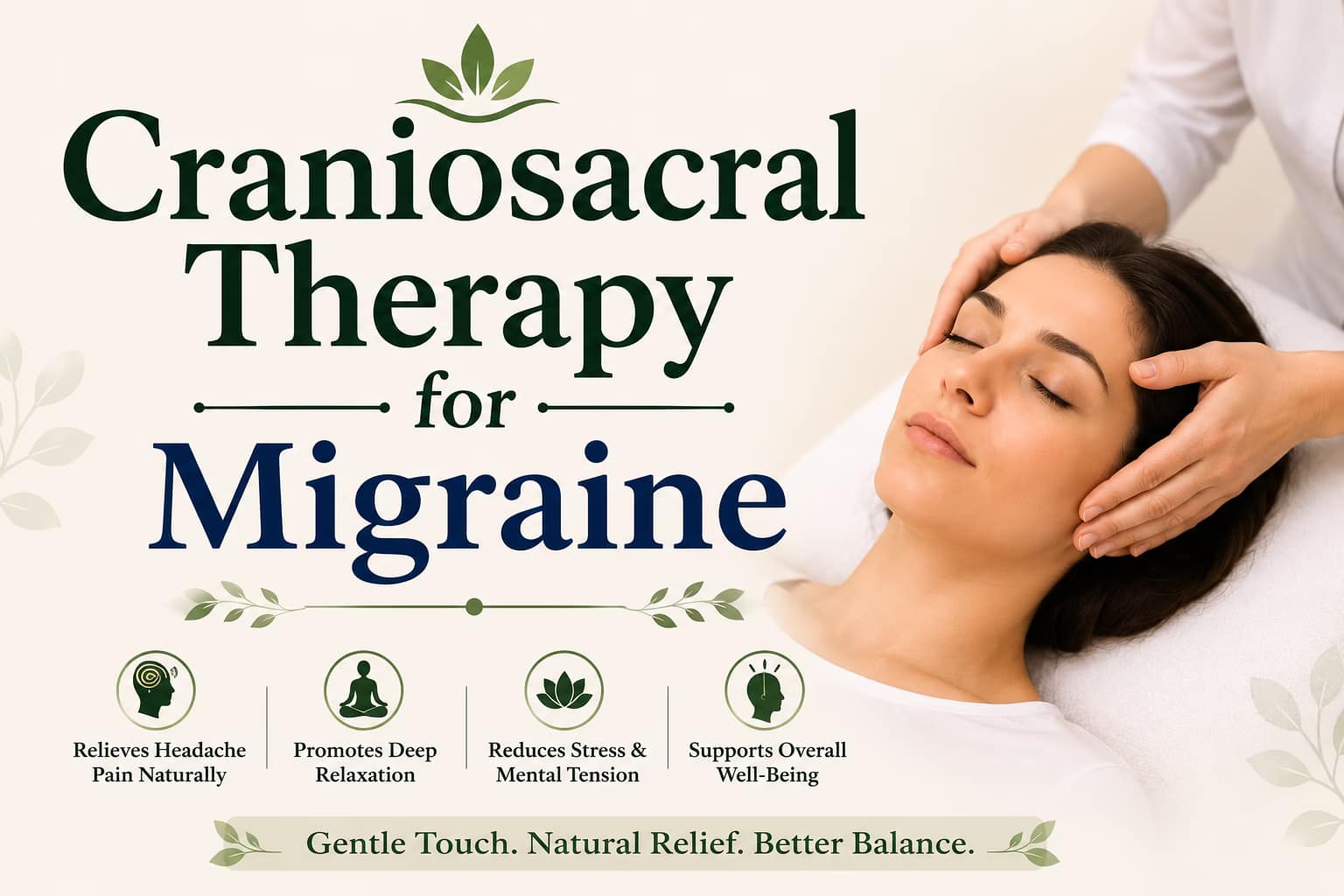
While medications can help manage symptoms for many people, others seek complementary therapies that support relaxation, reduce stress, and promote overall wellness. One increasingly popular option is Craniosacral Therapy (CST), a gentle, hands-on therapy that focuses on supporting the body’s natural healing processes.
At Dr. Radhika’s Wellness Center, we take a holistic approach to health by addressing the whole person rather than just the symptoms. Craniosacral Therapy may be incorporated into a personalized wellness plan for individuals looking to better manage migraine symptoms alongside appropriate medical care.
What Is a Migraine?
A migraine is a neurological condition that causes episodes of moderate to severe head pain, often accompanied by additional symptoms. Unlike a typical headache, migraines can last from several hours to several days and may significantly impact everyday activities.
Common migraine symptoms include:
- Throbbing or pulsating headache
- Pain on one or both sides of the head
- Sensitivity to light
- Sensitivity to sound
- Nausea or vomiting
- Blurred vision
- Fatigue
- Difficulty concentrating
- Visual disturbances (aura) in some individuals
Migraine triggers vary from person to person and may include stress, hormonal changes, dehydration, irregular sleep, certain foods, strong odors, weather changes, or prolonged screen time.
Understanding Craniosacral Therapy
Craniosacral Therapy is a gentle manual therapy that uses light touch to evaluate and release restrictions within the body’s connective tissues and the craniosacral system, which surrounds the brain and spinal cord.
The therapy is designed to:
- Encourage deep relaxation
- Support healthy nervous system function
- Release areas of physical tension
- Promote natural movement within the body
- Enhance the body’s self-regulating processes
Unlike forceful manipulation techniques, Craniosacral Therapy relies on subtle, precise movements that many people find calming and comfortable.
How Craniosacral Therapy May Help People with Migraines
Although Craniosacral Therapy is not considered a cure for migraines, many individuals choose it as a complementary therapy to support overall well-being and help manage factors that may contribute to migraine episodes.
1. Promotes Deep Relaxation
Stress is one of the most commonly reported migraine triggers. Craniosacral Therapy encourages relaxation by helping calm the nervous system, which may assist individuals who experience stress-related migraine episodes.
2. May Reduce Muscle Tension
Tight muscles in the neck, shoulders, jaw, and upper back can contribute to discomfort and headache symptoms in some people.
Gentle release techniques may help ease muscular tension and improve comfort.
3. Supports Healthy Nervous System Function
The nervous system plays a central role in migraine disorders. Craniosacral Therapy in Delhi focuses on supporting balanced nervous system activity and encouraging the body’s natural restorative processes.
4. Encourages Better Sleep
Poor sleep is another common migraine trigger. Many individuals report feeling deeply relaxed after Craniosacral Therapy sessions, which may support healthier sleep habits as part of an overall wellness routine.
5. Improves Overall Well-Being
Rather than focusing solely on head pain, Craniosacral Therapy considers the entire body, recognizing that physical tension, emotional stress, and lifestyle factors can all influence overall health.
Who May Benefit?
People experiencing the following may consider discussing Craniosacral Therapy with a qualified practitioner:
- Recurring migraines
- Tension-related headaches
- Stress-associated headaches
- Neck stiffness accompanying headaches
- Jaw tension
- Chronic muscle tightness
- General stress and fatigue
Every individual is different, so treatment recommendations should always be personalized.
What Happens During a Craniosacral Therapy Session?
During a session, you remain fully clothed while lying comfortably on a treatment table.
The therapist uses gentle touch to assess areas of restriction and support natural release throughout the body.
Many individuals describe the experience as peaceful and deeply relaxing. Some notice changes immediately, while others experience gradual improvement over several sessions depending on their overall health and wellness goals.
Lifestyle Habits That May Help Reduce Migraine Frequency
Complementary therapies often work best alongside healthy daily habits.
Consider:
- Staying well hydrated
- Maintaining regular sleep patterns
- Managing stress effectively
- Eating balanced meals
- Avoiding personal migraine triggers
- Taking breaks from prolonged screen use
- Practicing relaxation techniques
- Engaging in regular physical activity appropriate for your health
These habits can support overall wellness and may help reduce the frequency of migraine episodes for some individuals.
The Importance of a Holistic Approach
Migraines are often influenced by multiple factors, including lifestyle, stress, sleep quality, physical tension, and general health.
A holistic approach recognizes these interconnected factors rather than focusing on symptoms alone.
At Dr. Radhika’s Wellness Center, personalized wellness plans may include therapies that support relaxation, emotional balance, and overall health while complementing appropriate medical care.
Why Choose Dr. Radhika’s Wellness Center?
Our clinic is dedicated to helping individuals achieve better health through personalized, holistic care.
Patients appreciate our approach because we provide:
- Individualized wellness consultations
- Gentle, non-invasive therapies
- Experienced practitioners
- Patient-centered care
- Root-cause-focused wellness planning
- Calm and supportive treatment environment
Our goal is to help every individual improve overall quality of life through natural healing approaches tailored to their needs.
Frequently Asked Questions
Is Craniosacral Therapy a cure for migraines?
No. Craniosacral Therapy is not a cure for migraines. It is a complementary therapy that some individuals include as part of their overall migraine management plan.
Is Craniosacral Therapy safe?
When performed by a qualified practitioner, Craniosacral Therapy is generally considered gentle and non-invasive. However, individuals with certain medical conditions should consult their healthcare provider before beginning any new therapy.
How many sessions are needed?
The number of sessions varies depending on each person’s symptoms, health history, and wellness goals.
Can I continue my migraine medication?
Yes. Craniosacral Therapy is generally used alongside—not instead of—medical care. Never stop prescribed medications without consulting your physician.
When Should You Seek Medical Attention?
While complementary therapies can play an important role in wellness, certain symptoms require prompt medical evaluation.
Seek immediate medical care if you experience:
- A sudden, severe headache unlike previous headaches
- Headache after a serious injury
- Weakness or numbness
- Difficulty speaking
- Vision loss
- Fever with neck stiffness
- Confusion or loss of consciousness
These symptoms may indicate a serious medical condition that requires urgent treatment.
Conclusion
Living with migraines can be physically and emotionally challenging. While there is no single solution that works for everyone, many individuals benefit from combining conventional medical care with supportive holistic therapies. Craniosacral Therapy In Delhi offers a gentle, non-invasive approach that focuses on relaxation, reducing physical tension, and supporting the body’s natural healing processes. As part of a personalized wellness plan, it may help improve overall well-being and assist some individuals in managing factors associated with migraine episodes.
At Dr. Radhika’s Wellness Center, we are committed to providing compassionate, personalized care that supports your journey toward better health. If you’re exploring natural ways to complement your migraine management plan, Craniosacral Therapy may be a valuable option to discuss with a qualified practitioner.